Hazardous material spills from trucks can occur unexpectedly, creating serious risks for drivers, the environment, and surrounding communities. The hazmat cleanup process is designed to safely manage these spills, ensuring containment, removal, and proper disposal of toxic, flammable, or corrosive substances.
For trucking companies in Houston, having access to professional hazmat spill cleanup services is essential. A rapid response minimizes environmental damage, prevents costly fines, and protects the safety of your fleet and drivers. Certified cleanup teams use specialized equipment and protocols to manage spills efficiently and legally.
In cases of emergencies, trucking fleets can rely on trusted full-service providers that combine hazardous material cleanup with roadside support. For detailed guidance on handling hazmat spills, you can refer to the Complete Guide to Hazmat Spill Cleanup Services, which explains every step in the process from containment to documentation.
Common Causes of Hazardous Truck Spills
Understanding the common causes of hazardous material spills helps trucking companies prevent accidents and respond more effectively when they occur.
Major Causes Include:
Fuel leaks from tanker trucks: A punctured tank or loose valve can release diesel or gasoline onto the road.
Mechanical failures: Broken hoses, valves, or tanker components can trigger chemical spills.
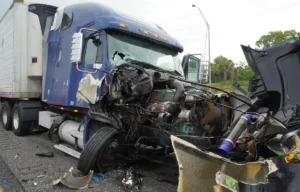
Collisions: Accidents involving trucks often lead to dangerous leaks.
Improper loading and transport: Mishandling hazardous chemicals during transit increases spill risk.
Truck drivers experiencing a spill should immediately secure the area and request professional assistance. Quick roadside interventions often involve services like Roadside Service to prevent escalation and maintain highway safety.
Types of Hazardous Materials Involved in Truck Spills
Hazardous truck spills can involve a wide range of substances, each posing different risks to people and the environment. The hazmat cleanup process is tailored to the type of material being handled.
Common Hazardous Materials:
Flammable liquids and gases: Gasoline, diesel, and industrial chemicals
Toxic or corrosive chemicals: Acids, solvents, and industrial compounds
Biohazards and contaminated fuel residues: Materials that require specialized disposal
These materials can harm humans, wildlife, and the environment if not handled properly. Drivers are encouraged to follow safety guidelines like those outlined in the Truck Breakdown Safety Checklist: How to Handle Roadside Emergencies to ensure their own safety and that of surrounding traffic during a spill.
Step-by-Step Hazmat Cleanup Process
The hazmat cleanup process is systematic, combining containment, decontamination, and environmental restoration to manage spills safely. Each step is executed by certified professionals trained in hazardous material response.
Incident Assessment and Site Control
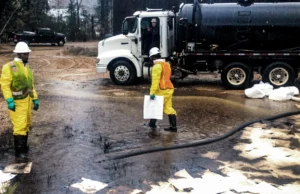
The first step is evaluating the spill scene. Cleanup teams assess spill size, type of material, environmental exposure, and potential ignition hazards. Traffic control measures are implemented to prevent accidents and ensure bystander safety. Coordination with local authorities like police or fire departments is often necessary.
Hazard Identification and Risk Evaluation
Specialists classify the spilled material, determine its hazards, and select the appropriate personal protective equipment (PPE). Accurate identification ensures the correct cleanup method is used, reducing environmental and legal risks.
Containment and Spill Control Methods
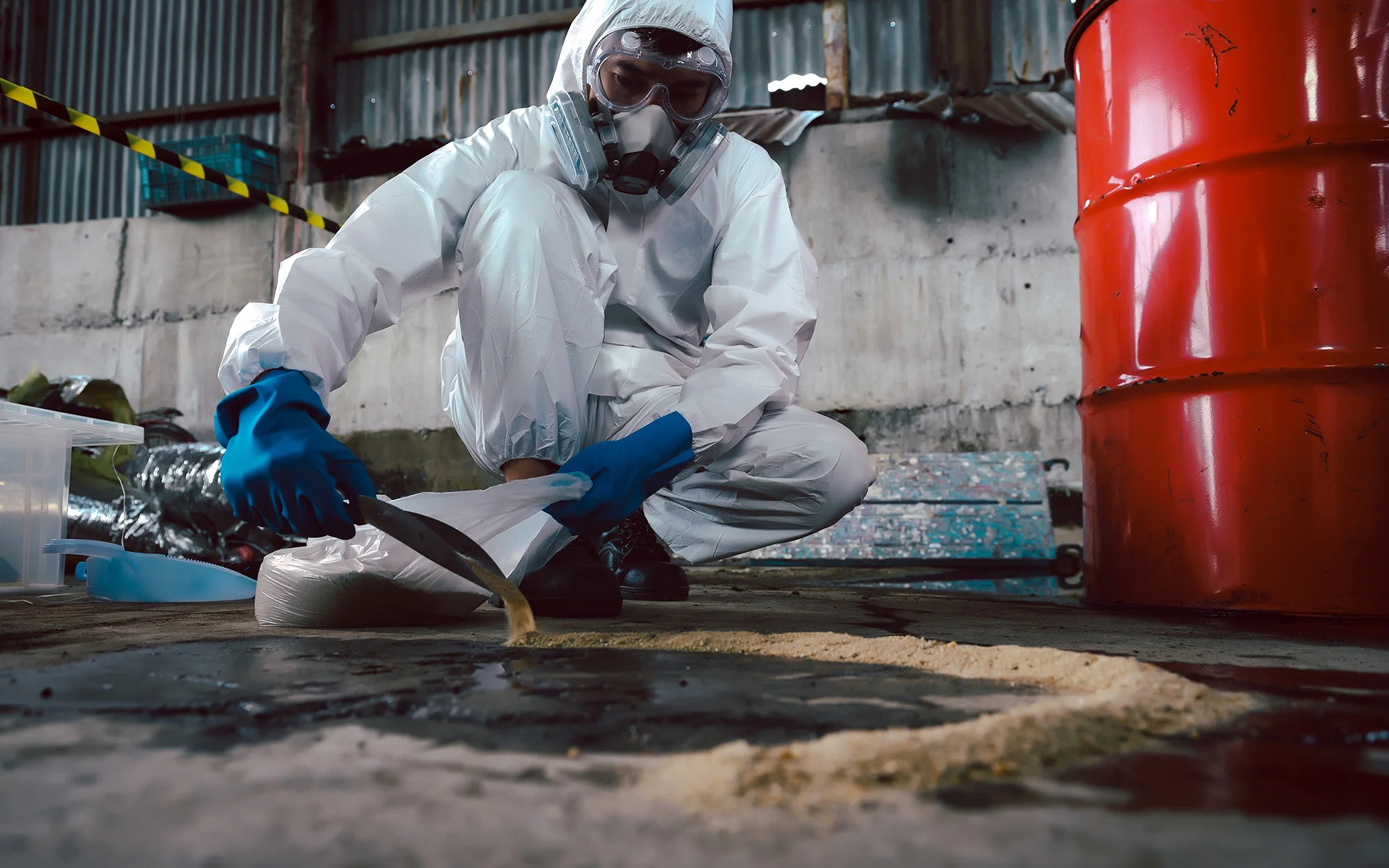
Containment involves preventing the spill from spreading. Methods include diking, trenching, foam applications, and the use of absorbent materials. If trucks or tankers are obstructing cleanup, Towing and Recovery services may be called in to safely relocate vehicles before remediation begins.
Cleanup, Decontamination, and Waste Disposal
Once contained, hazardous materials are removed and neutralized. Contaminated soil, absorbents, and residual liquids are collected and transported for EPA-approved disposal. Proper documentation ensures legal compliance and simplifies insurance claims.
Final Inspection and Environmental Testing
The last step involves inspecting the area and testing soil, water, and air quality to ensure all hazards are removed. This step confirms compliance with environmental standards and guarantees that the area is safe for public access.
For a deeper dive into professional cleanup methods, review Hazmat Cleanup Process Explained, which details these steps in action.
Why Professional Hazmat Cleanup Services Are Essential
Handling hazardous material spills without professional support can be extremely dangerous. Certified cleanup teams provide expertise, equipment, and legal compliance that trucking companies often cannot replicate on their own.
Benefits of Hiring Professionals:
Minimizes environmental impact and legal liability
Ensures compliance with OSHA, DOT, and EPA regulations
Protects drivers and the public from exposure
Provides thorough documentation for insurance and audits
Fleet managers should prioritize hiring experienced providers. You can learn about key qualities to look for in a hazmat cleanup partner in Top 5 Qualities of the Best Roadside Assistance Company for Semi Trucks.
What Truck Drivers Should Do During a Hazardous Spill
Truck drivers play a critical role in minimizing damage during a spill. Immediate action can prevent accidents, exposure, and environmental contamination.
Steps Drivers Should Take:
Stop the vehicle safely and turn off ignition to reduce ignition risks.
Secure the spill area and warn nearby traffic.
Contact certified Hazmat Clean-Up services immediately.
Notify fleet managers and document the incident.
Avoid attempting cleanup themselves if the spill involves hazardous chemicals or large quantities.
Additional emergency services, such as Emergency Fuel Delivery for Semi Trucks in Houston – Fast Roadside Help, can support drivers in completing spill management safely.
Cost Factors in the Hazmat Cleanup Process
The cost of professional hazmat cleanup varies depending on several factors. Trucking companies in Houston should understand these variables to budget for potential incidents.
Key Cost Drivers
Spill Size and Severity: Larger spills require more labor, equipment, and materials.
Type of Hazardous Material: Flammable or highly toxic substances require specialized handling.
Environmental Exposure: Spills affecting soil, water, or drains need additional remediation.
Emergency Response Timing: After-hours or urgent responses may increase costs.
Documentation and Compliance: Preparing EPA reports and maintaining regulatory compliance adds to the cost.
For a broader perspective on related expenses, review Roadside Assistance Cost for Semi Trucks in Houston – Full Breakdown to understand how emergency and cleanup services are priced.
How to Choose a Reliable Hazmat Cleanup Company
Choosing the right cleanup provider ensures safety, compliance, and peace of mind.
Factors to Consider
Certifications: Proper Hazmat licensing and training are essential.
Response Time: 24/7 availability for emergencies.
Equipment Capability: Advanced tools for containment, extraction, and decontamination.
Experience: Proven expertise handling spills from trucks and tankers.
Additional Services: Integration with Towing and Recovery and roadside support.
For guidance on selecting a trusted provider, check How to Choose the Best Hazmat Cleanup Companies in Houston.
Roadside Support You Can Count On
No matter the situation, our reliable roadside assistance ensures you get the help you need, fast. From breakdowns to emergencies, we’re here 24/7 to keep you moving.
Preventive Measures and Driver Safety During Spills
Preventing spills is more effective than cleaning them. Trucking companies can reduce incidents through proper vehicle maintenance, training, and safety protocols.
Prevention Tips
Conduct regular inspections of tanks, hoses, and valves.
Train drivers on Hazmat handling and emergency procedures.
Equip trucks with spill kits and PPE.
Implement proper loading and unloading procedures.
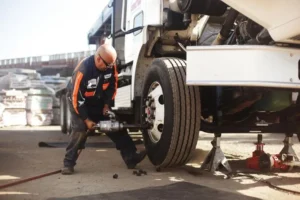
Use preventive services like Wheel Alignments and Trailer Repairs to reduce accident risks.
Driver Actions During Spills
Stop the truck safely and secure the area.
Notify certified hazmat cleanup teams.
Avoid direct contact with hazardous substances.
Document the spill for reporting and insurance purposes.
Conclusion – Be Prepared for Hazmat Emergencies
The hazmat cleanup process is essential for trucking companies to manage accidents safely, comply with regulations, and protect the environment. Partnering with certified cleanup providers ensures proper containment, decontamination, and documentation.
Houston trucking companies can rely on professional services like Hazmat Clean-Up and complementary support such as Roadside Service, Towing and Recovery, and Emergency Fuel Delivery for Semi Trucks to mitigate risks and minimize downtime.
Preparation, training, and the right partnerships make all the difference when a hazardous material incident occurs on the road.
Frequently Asked Questions About Hazmat Cleanup Process
The Hazmat Cleanup Process involves assessing the spill, containing hazardous materials, decontaminating affected areas, and properly disposing of waste while following regulatory guidelines.
Only certified Hazmat cleanup professionals trained in handling toxic, flammable, or corrosive materials should manage truck spills to ensure safety and compliance.
Small spills may take a few hours, while complex spills affecting soil, water, or large areas can take several days, depending on contamination and EPA documentation requirements.
Drivers should secure the area, turn off the vehicle, avoid ignition sources, contact a certified cleanup team, and document the incident for fleet and regulatory reporting.
Regular maintenance, driver training, proper loading procedures, and preventive services like Wheel Alignments and Trailer Repairs reduce the likelihood of spills and accidents.