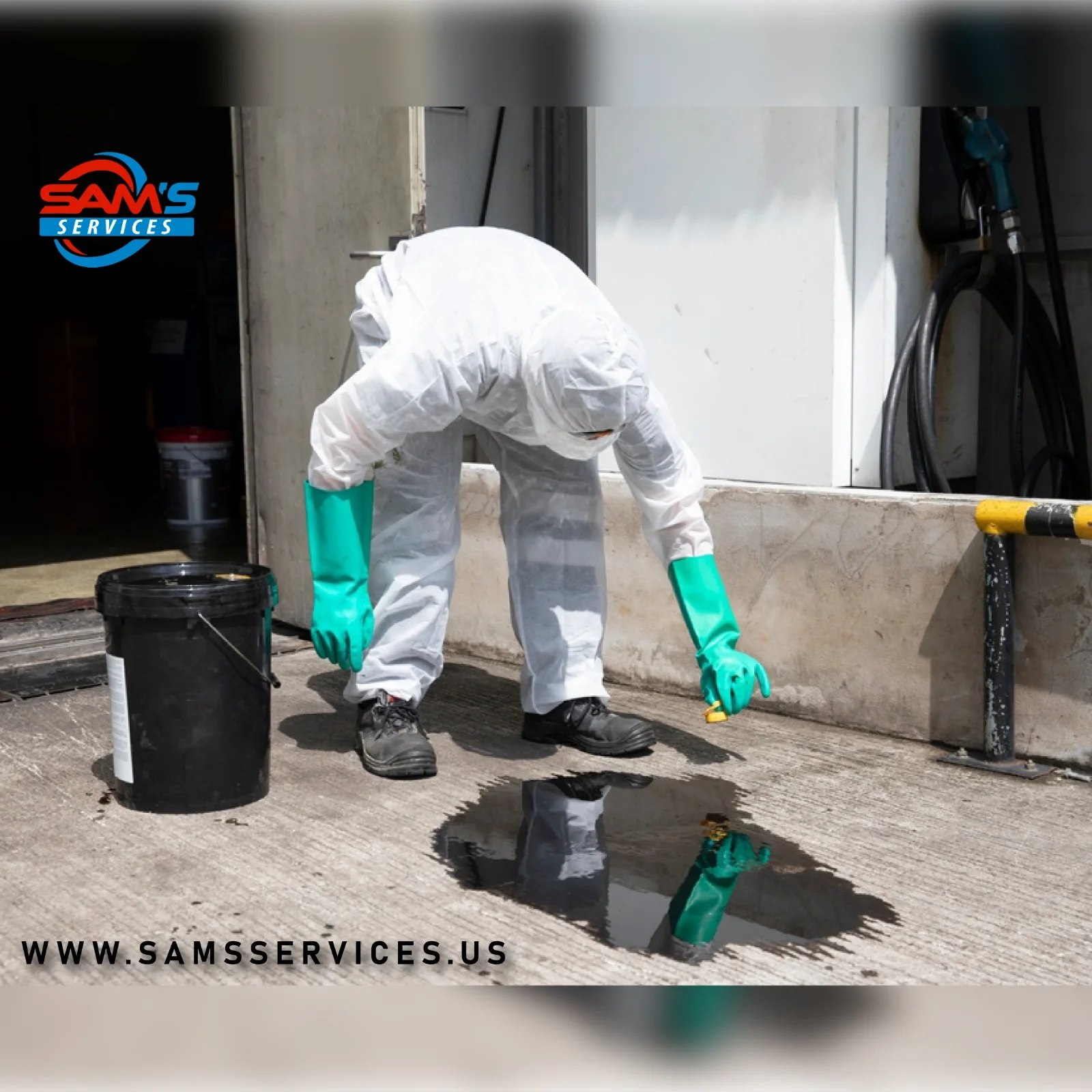
When a truck spills fuel, chemicals, or other hazardous materials on Houston roads, the financial consequences can be significant. That’s why understanding hazmat cleanup cost is crucial for trucking companies, owner-operators, and fleet managers. The true cost of a spill goes beyond surface cleaning—it includes environmental restoration, regulatory fines, documentation fees, and potential delays in business operations.
Hazmat spills are not only dangerous, but they also affect highways, soil, waterways, and public safety. Without prompt professional response, trucking businesses may face EPA penalties, insurance claim disputes, and reputational damage. This is why many logistics and trucking companies rely on properly trained response teams for handling emergencies like fuel spills, chemical leaks, and roadway contamination.
To better understand cleanup procedures and how experts manage spills, you can refer to the Complete Guide to Hazmat Spill Cleanup Services for Trucks in Houston, which explains how professional cleanup services help reduce costs and prevent legal issues.
Key Factors That Influence Hazmat Cleanup Cost
The hazmat cleanup cost varies widely depending on several critical factors such as type of spill, spill size, terrain, environmental impact, and emergency response measures. Knowing these cost drivers allows trucking companies to better estimate expenses and prepare for potential incidents.
Type of Hazardous Material (Fuel vs. Chemical vs. Biowaste)
Fuel spills like diesel and gasoline are more common among trucking fleets, but chemical spills, corrosive leaks, and biohazard incidents are more expensive to clean due to higher containment risk, PPE requirements, and testing procedures. Materials classified under Class 3 (flammable liquids) or Class 8 (corrosives) typically involve high cleanup expenses.
Spill Size and Containment Area
Small spills on pavement can be cleaned quickly, but large-scale spills that seep into soil, storm drains, or waterways significantly increase labor and equipment costs. The larger the contamination area, the higher the hazmat cleanup cost due to extensive restoration and disposal requirements.
Surface Type: Roadway, Soil, Water, Commercial Property
Spills on soil and water require specialized cleanup, testing, containment, and disposal, making them more expensive than spills on paved highways. To understand how costs differ between hazmat and non-hazmat cleanup, see the Difference Between Hazmat and Non-Hazmat Cleanup, which explains why certain spill types require specialized remediation.
Emergency Response Time and Cleanup Complexity
The speed at which a spill is reported and addressed has a major impact on hazmat cleanup cost. Immediate response helps prevent spills from spreading into soil or drains, while delayed response results in higher contamination levels, fines, and regulatory action.
How Cleanup Complexity Increases Costs
If hazardous materials spread into vegetation or waterways, the cleanup process becomes more complex.
Emergency containment tools such as booms, vacuums, remediation trucks, and EPA-approved absorbents add to the expenses.
Longer cleanup times result in increased labor charges, along with reporting and documentation fees.
To see how professionals manage different types of cleanup scenarios and why spills must be controlled quickly, refer to Hazmat Cleanup Process Explained: How Professionals Handle Truck Spills, which breaks down each cleanup stage and associated cost elements.
Regulatory, Compliance, and Documentation Costs
Compliance is a major factor in determining the hazmat cleanup cost. Trucking companies must follow EPA, DOT, and TCEQ regulations, depending on the material involved and spill location.
EPA, DOT, and TCEQ Reporting Requirements
Hazardous spill laws require detailed reporting, material classification, and environmental testing. Failure to report within the required timeframe can result in fines ranging from thousands to millions of dollars.
Documentation, Incident Reports, and Insurance Claims
Professional cleanup providers typically offer documentation support, including soil test reports, disposal manifests, photographic evidence, and insurance-compatible support files. These reports are critical for insurance claim approvals and regulatory audits.
To learn more about compliance and legal responsibilities in hazardous spill situations, explore Hazardous Material Emergency Cleanup: What Trucking Companies Must Know, which helps fleet managers understand reporting and liability requirements.
Equipment and Technology Used in Hazmat Cleanup
Advanced equipment plays an important role in determining hazmat cleanup cost. Professional cleanup teams use specialized machines, tools, and PPE that meet EPA and OSHA safety standards.
Advanced Cleanup Machinery and Remediation Trucks
Recovery trucks, vacuum tankers, spill berms, containment pads, and decontamination units increase service quality but add to cleanup expenses.
Absorbents, Booms, PPE, and Monitoring Tools
From absorbent pads to chemical-neutralizing agents, each tool is designed for handling specific hazardous materials, which directly impacts the cost.
To learn which equipment is mandatory for compliance and safe cleanup, check Hazmat Equipment and Safety Protocols Every Trucking Company Must Follow, which explains safety gear, regulations, and hazard prevention tools.
If your company needs equipment support, consider exploring Equipment Lease and Sale for cost-effective acquisition of cleanup tools and materials.
Labor, Certification, and Service Provider Expertise
The experience and qualifications of the cleanup provider directly influence hazmat cleanup cost. Cleanup that involves certified specialists typically costs more—but also ensures proper handling, disposal, and documentation.
HAZWOPER Certified Specialists and OSHA Compliance
Only HAZWOPER and OSHA-trained technicians can handle regulated spills legally. Hiring properly certified teams helps avoid penalties and ensures safe handling of hazardous waste.
Local Experience and Houston-Based Response Teams
Local teams understand state-specific environmental regulations, disposal facility access, and Houston’s road systems. They respond quickly and help reduce downtime, making them more cost-efficient.
To compare expertise, trustworthiness, and certification levels among different providers, refer to How to Choose the Best Hazmat Cleanup Companies in Houston, which explains how to evaluate service providers.
Disposal, Transportation, and Restoration Costs
Once a spill is contained, the next cost factor in hazmat cleanup cost is disposal, transportation, and restoration of the affected area. These services are regulated by EPA and TCEQ, making them one of the most expensive stages in the cleanup process.
Soil, Water, and Surface Restoration Fees
If the spill reaches soil, groundwater, or nearby vegetation, environmental remediation becomes necessary. This process involves soil testing, removal of contaminated dirt, restoration with clean landfill soil, and hydrocarbon recovery treatment. Similar costs also apply when spills impact parking lots, industrial surfaces, or highways, where resurfacing and safety barrier repair may be required.
Approved Waste Transportation and Disposal Centers
Hazardous waste must be transported to an EPA-approved disposal facility using certified vacuum tankers or sealed drums. Each load requires manifests, disposal permits, and transportation fees. Professional services like Hazmat Clean-Up manage these steps, ensuring legal compliance and preventing costly penalties.
Roadside Support You Can Count On
No matter the situation, our reliable roadside assistance ensures you get the help you need, fast. From breakdowns to emergencies, we’re here 24/7 to keep you moving.
Who Pays for Hazmat Cleanup? Cost Responsibility Breakdown
A common concern for trucking companies is who is financially responsible for hazmat cleanup cost. The answer depends on ownership, contractual obligations, and insurance coverage.
Truck Owner vs. Carrier vs. Insurance Provider
Owner-Operators: If driving under their own authority, they are typically responsible for cleanup costs unless covered by insurance.
Leased Owner-Operators: Costs may shift to the carrier, depending on contract terms.
Carriers with Fleet Operations: Often have liability policies that cover spills, depending on the material and incident type.
Shippers (Cargo Owners): In certain cases, chemical product owners may be held responsible.
Is Hazmat Cleanup Covered by Truck Insurance?
Most commercial insurance policies cover hazmat cleanup only if environmental liability coverage is included. Basic cargo or physical damage policies usually do not cover environmental cleanup. Companies needing help with claims or coverage inquiries can reach out through the Contact Us page.
How Trucking Companies Can Reduce Hazmat Cleanup Cost
Reducing hazmat cleanup expenses starts with prevention, planning, and fleet readiness. A proactive approach can significantly lower spill frequency and cleanup cost.
Preventive Maintenance, Fleet Training, and Risk Reduction
Fleet managers can minimize risks through regular vehicle checks, leak detection, and secure cargo tank inspections. Utilizing services like Wheel Alignments and Trailer Repairs helps prevent tire blowouts, brake failures, and equipment malfunctions that often lead to spills.
Driver Awareness and Emergency Preparedness
Drivers should be trained to identify early signs of leaks, safely report incidents, and secure the spill area. Using guides like the Truck Breakdown Safety Checklist helps teams stay prepared during highway emergencies.
Cost Comparison: DIY Cleanup vs. Professional Hazmat Cleanup
Some trucking companies consider handling cleanup internally to save money, but this often leads to higher long-term costs and legal risks.
Why DIY Cleanup Is Illegal, Unsafe, and More Expensive
DIY cleanup is not permitted for regulated spills. It exposes companies to EPA penalties, safety violations, and insurance claim rejection. Only certified teams with HAZWOPER training can legally clean hazardous spills. Professional services like Hazmat Clean-Up and Roadside Assistance help reduce liability and minimize costly delays.
Conclusion: Making Smart Cost Decisions for Fleet Safety
Understanding hazmat cleanup cost helps trucking companies make informed decisions, reduce liability, and protect their fleet operations. Investing in professional services from certified providers ensures faster cleanup, legal compliance, and lower long-term costs. Partnering with experienced hazmat cleanup specialists is not just a safety measure—it’s a smart financial decision for every fleet operator.
Frequently Asked Questions About Hazmat Cleanup Cost
The average hazmat cleanup cost ranges from $4,000 to $50,000+, depending on spill type, contamination level, response time, and disposal needs. Large spills affecting soil or waterways cost significantly more.
Costs increase when spills spread to soil, vegetation, or storm drains. Fuel types, containment requirements, disposal fees, regulatory fines, and emergency labor also affect pricing.
Most insurance policies cover hazmat cleanup only if environmental liability or pollution coverage is included. Basic cargo and auto liability policies do not usually cover spills.
Liability depends on whether the driver is an owner-operator, leased operator, or fleet employee. In some cases, cargo owners or shippers may be financially responsible.
No. DIY cleanup is not allowed for hazardous or regulated spills. Only certified hazmat specialists can manage fuel spills according to EPA, DOT, and OSHA laws.