Transporting hazardous material is a critical responsibility for trucking companies. When spills occur, they can harm the environment, disrupt traffic, damage brand reputation, and lead to costly penalties. That’s why hazardous material emergency cleanup is not just a service — it’s a legal and safety obligation.
Trucking companies in Houston must understand the regulations, cleanup procedures, and roles of professional hazmat service providers. Businesses can also refer to the comprehensive Complete Guide to Hazmat Spill Cleanup Services to explore cleanup types, safety protocols, and industry best practices.
Whether it’s fuel, chemicals, oil, or toxic substances, professional hazmat cleanup teams ensure safety, regulatory compliance, and fast recovery.
What Qualifies as Hazardous Material?
Hazardous material includes any substance that poses risks to health, safety, or the environment. Common examples include diesel, gasoline, toxic chemicals, flammable liquids, corrosives, biohazards, radioactive substances, and industrial waste.
Types of Hazardous Materials Found in Trucking:
Flammable liquids – like gasoline, diesel, ethanol, and paints
Corrosive chemicals – acids, cleaning agents, chlorine compounds
Toxic substances – pesticides, solvents, industrial chemicals
Biological hazards – medical waste, contaminated materials
To better understand how these differ from general spills, explore Difference Between Hazmat and Non-Hazmat Cleanup.
If spills occur during transport, trucking companies must immediately follow proper response procedures and notify qualified cleanup teams like Hazmat Clean-Up service providers in Houston.
Regulations and Compliance for Trucking Companies
Truckers transporting hazardous materials must comply with strict state and federal laws. Failure to respond correctly during a hazmat emergency can lead to fines, shutdowns, lawsuits, and even criminal liability.
Key Regulatory Authorities:
DOT (Department of Transportation) – regulates hazmat shipping and spill reporting
EPA (Environmental Protection Agency) – handles environmental protection and cleanup standards
OSHA (Occupational Safety and Health Administration) – governs worker safety during spill cleanup
Every trucking company must implement safety protocols, use proper spill kits, and work with certified service providers like Hazmat Clean-Up to remain compliant.
For detailed regulatory response instructions, trucking companies can review Hazmat Equipment and Safety Protocols Every Trucking Company Must Follow.
Emergency Hazmat Cleanup: Why It Matters
A hazmat spill isn’t just messy — it can halt operations, endanger life, and trigger government investigations. Emergency hazmat cleanup services help your company:
Why It’s Essential:
Prevent environmental pollution and water contamination
Avoid state and federal fines for delayed response
Maintain business reputation and customer trust
Ensure safety for drivers, responders, and the public
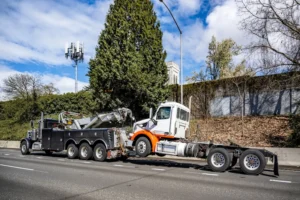
In case of accidents involving heavy cargo or roadside breakdown, services like Towing and Recovery and Roadside Service also support spill containment and vehicle removal.
When dealing with oil or fuel leaks specifically, businesses should refer to the Step-by-Step Guide to Fuel Spill Cleanup Services.
Hazmat Emergency Response Steps for Trucking Companies
Once a spill occurs, trucking companies must follow a structured emergency response protocol.
Step-by-Step Hazmat Spill Response:
Secure the accident site — prevent public entry and vehicle access
Report the incident — notify authorities (DOT, EPA, local fire department)
Call professional cleanup experts — activate Hazmat Clean-Up services in Houston
Contain the spill using barriers, absorbents, or booms
Begin professional cleanup and restoration
For a deeper understanding of how professionals process spills, explore Hazmat Cleanup Process Explained.
Who Handles Hazardous Material Cleanup?
Not all roadside service providers are certified to handle regulated hazardous material. Only licensed hazmat cleanup companies with trained technicians, EPA-compliant procedures, and specialized equipment can legally manage spills.
Certified Hazmat Cleanup Providers Handle:
Fuel, oil, and chemical spill cleanup
Soil and water decontamination
Waste transport and disposal
EPA reporting and compliance documentation
Houston trucking businesses should select providers based on fast response, qualifications, local experience, and safety certifications. The blog How to Choose the Best Hazmat Cleanup Companies in Houston explains selection criteria in detail.
Essential Hazmat Cleanup Equipment and Technology
When hazardous material spills occur, professional cleanup teams rely on advanced equipment to contain, remove, transport, and dispose of the contamination safely and legally. This includes specialized tools designed to prevent further environmental damage and ensure compliance with federal regulations.
Common Equipment Used in Hazmat Cleanup:
Absorbent booms and pads for oil and chemical spills
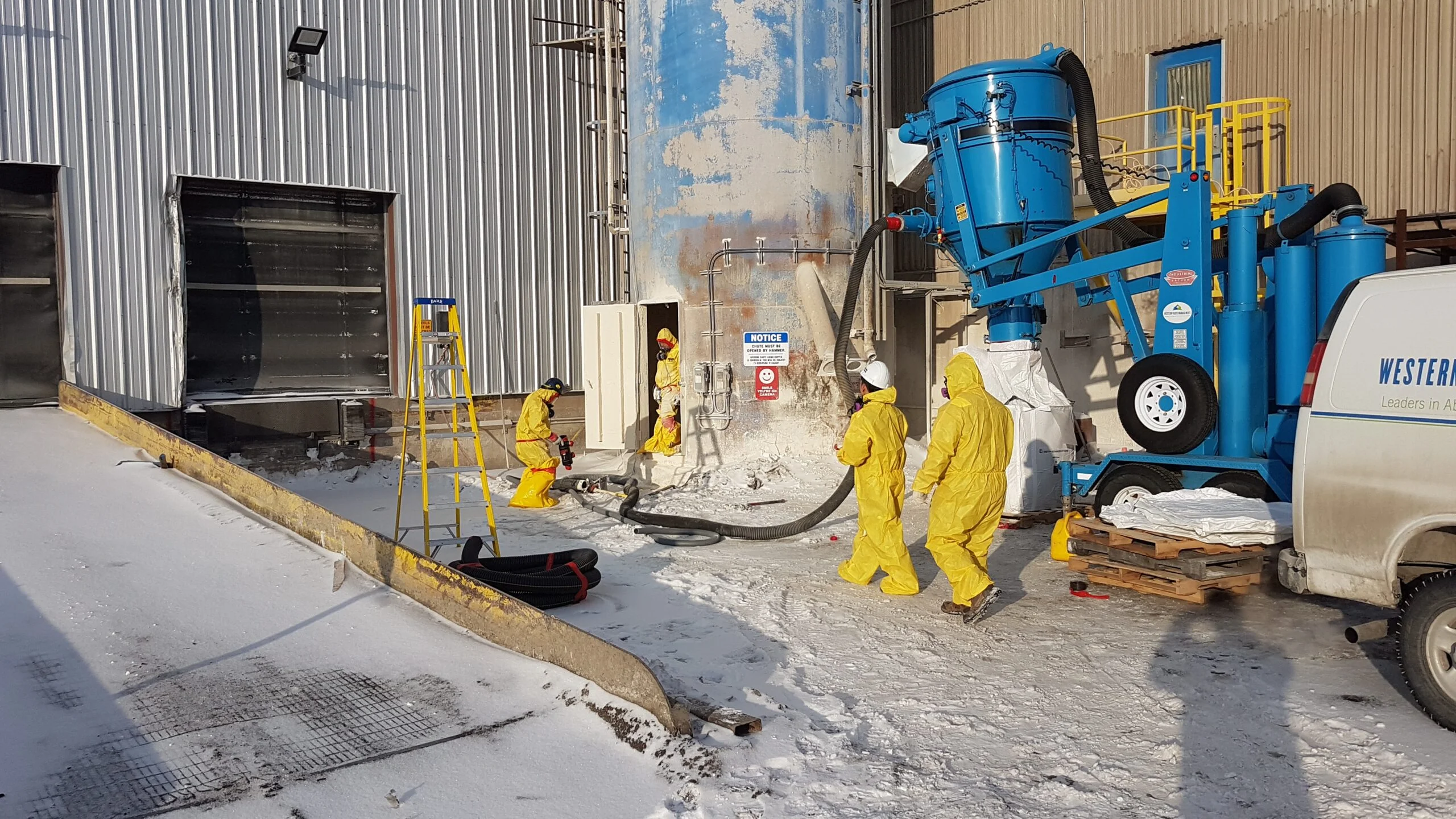
Hazmat vacuums and recovery tanks for removing liquid contaminants
Spill control kits including PPE, neutralizers, and containment tools
Soil remediation tools for environmental cleanup
To better understand which tools are essential in emergency cleanup, explore Hazmat Equipment and Safety Protocols Every Trucking Company Must Follow — a useful guide for all trucking fleet managers and logistics coordinators.
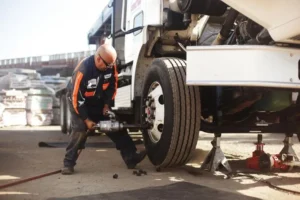
Professional cleanup companies also utilize specialized vehicle equipment such as hazmat disposal trucks, containment trailers, and stabilization tools. In accidents involving damaged trailers, services like Trailer Repairs may be necessary during the spill response process.
Cost Factors for Hazardous Material Emergency Cleanup
The cost of hazardous material cleanup varies depending on multiple factors. Understanding these variables can help trucking companies estimate costs, prepare insurance claims, and plan for emergency response budgets.
Key Cost Factors:
Type of hazardous material spilled — chemical, fuel, toxic waste, or biological
Size and severity of the spill — minor containment vs. large-scale contamination
Location and accessibility — highway, rural area, or industrial site
Cleanup duration and reporting requirements — EPA documentation, soil testing
Costs may also increase if towing, recovery, or equipment removal is required. Companies offering Towing and Recovery services often coordinate alongside hazmat cleanup, especially when spills occur after accidents or rollovers.
To explore detailed cost breakdowns, see the full guide on Factors That Affect Hazmat Cleanup Cost for Trucks in Houston.
Roadside Support You Can Count On
No matter the situation, our reliable roadside assistance ensures you get the help you need, fast. From breakdowns to emergencies, we’re here 24/7 to keep you moving.
Choosing the Right Hazmat Cleanup Company in Houston
Selecting the right hazmat service provider is crucial for safety, compliance, and fast restoration of operations. Trucking companies should consider service experience, certifications, response time, and incident documentation capabilities.
What to Look For in a Cleanup Partner:
24/7 emergency response availability
EPA and DOT compliance certifications
Experience in trucking-related spill solutions
Proper reporting and documentation support
Fleet and cargo-friendly services
For a detailed comparison of top cleanup providers in Houston, read the dedicated guide How to Choose the Best Hazmat Cleanup Companies in Houston.
Additionally, Sam’s Services provides round-the-clock professional Hazmat Clean-Up support with full incident reporting, site restoration, and transport documentation.
Final Thoughts: Protecting Your Fleet with Reliable Hazmat Cleanup Solutions
Hazardous material cleanup is not just about containing spills — it’s about protecting your fleet, safeguarding public health, preserving your company’s reputation, and ensuring compliance with safety regulations. A single mishandled spill can lead to serious fines, legal action, and environmental damage.
That’s why partnering with a professional hazmat cleanup company like Sam’s Services in Houston ensures complete support — from emergency response, documentation, and environment protection, to Roadside Service, Towing and Recovery and long-term compliance.
For a complete foundation on spill management, read the core resource:
Complete Guide to Hazmat Spill Cleanup Services
FAQs About hazardous material
Hazardous material refers to substances that pose risks to health, safety, or the environment, such as fuel, chemicals, corrosives, oil, or toxic liquids. Trucking companies must follow strict safety protocols and regulations when transporting these materials.
The trucking company is responsible for reporting and initiating cleanup, but only certified hazmat cleanup professionals can legally handle and dispose of the contaminants. They ensure compliance with EPA, DOT, and OSHA regulations.
Cleanup costs depend on the spill type, severity, location, and cleanup duration. Costs may range from hundreds to thousands of dollars, especially with soil remediation, waste transport, and documentation needs.
Professional cleanup prevents toxic exposure, protects the environment, avoids federal penalties, and ensures proper reporting. It also helps resume operations quickly without risking safety violations.
Cleanup teams use hazmat vacuums, absorbents, booms, PPE, chemical neutralizers, barrier systems, recovery tanks, and certified disposal containers to safely manage and transport hazardous waste.