Transporting hazardous materials is a high-risk responsibility, and having the right Hazmat equipment and safety protocols is not just a compliance requirement—it’s a critical safety measure. A single chemical or fuel spill on the road can lead to environmental fines, operational downtime, and liability issues for trucking companies.
To protect lives, reduce risk, and ensure legal compliance, trucking companies must prepare their fleet with proper protective gear, spill containment tools, emergency communication devices, and regulatory documentation. Businesses that stay prepared with approved Hazmat equipment and trained drivers respond faster during emergencies, minimizing both cost and damage.
For fleet owners and safety managers looking to understand full risk management strategies for spill handling, the Complete Guide to Hazmat Spill Cleanup Services for Trucks in Houston is a powerful resource to explore further.
Understanding Hazmat Transport Compliance and Regulations
Proper Hazmat transport regulation compliance is not just good practice—it is mandatory for all trucking companies that haul flammable liquids, chemicals, corrosives, or biohazard materials. The Department of Transportation (DOT), OSHA, and FMCSA require specific documentation, training, vehicle placarding, and emergency response readiness.
What Counts as Hazardous Materials?
Hazardous materials include fuel, diesel, lubricants, gasoline, paint thinners, medical waste, toxic chemicals, and corrosive liquids. These substances can cause significant harm if spilled on highways, making specialized Hazmat equipment essential for preventing contamination.
Documentation and Vehicle Labeling
Truck drivers must always carry shipping papers, emergency response information, and Material Safety Data Sheets (MSDS). Trucks must display accurate placards that clearly identify the hazard class, including flammable, explosive, toxic, corrosive, or biohazard.
Why Compliance Prevents Liability
Non-compliance fines can range from thousands to millions of dollars, depending on the severity of the spill and environmental damage. Ensuring proper compliance also speeds up emergency response and protects your company from legal disputes.
For trucking companies handling chemical or fuel spills, understanding regulatory responsibilities is essential. You can explore real-world Hazmat accident risks in the Hazardous Material Emergency Cleanup guide.
Essential Hazmat Equipment Every Truck Must Carry
Equipping every Hazmat vehicle with the correct tools ensures safety, quick response, and legal compliance. Whether transporting fuel or chemical drums, these essential Hazmat equipment items help control leaks, prevent fire hazards, and protect drivers during cleanup operations.
Spill Containment Kits
Spill kits are the most critical component of Hazmat equipment. They include absorbent pads, booms, drain covers, disposal bags, and overpack drums. These tools help contain liquid spills quickly, stopping contaminants from reaching soil or waterways.
Personal Protective Equipment (PPE)
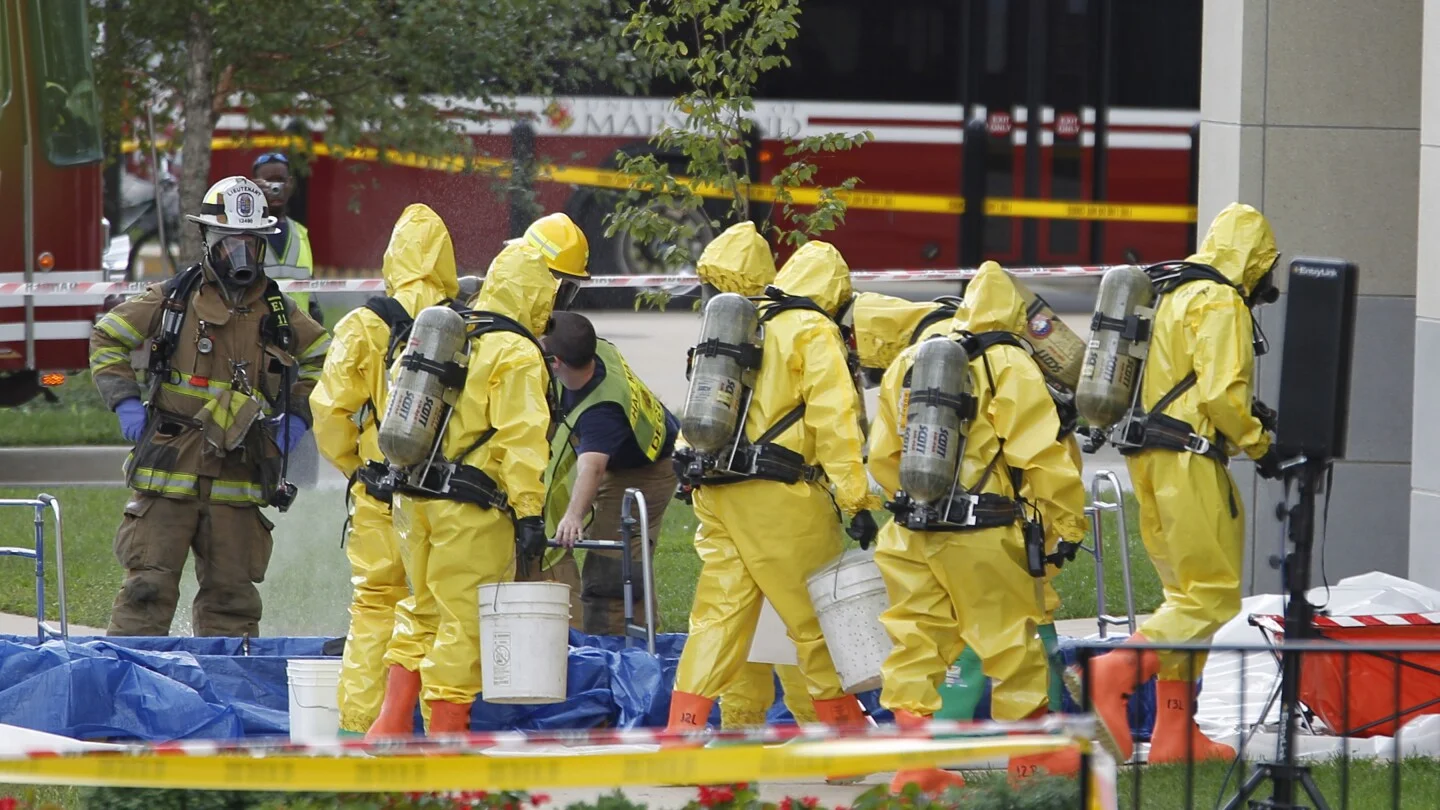
Drivers handling hazardous materials need PPE such as gloves, respirators, chemical-resistant suits, safety boots, and eye protection. Having PPE for chemical and fuel exposure reduces risk during roadside emergencies.
Fire Suppression and Emergency Response Tools
Fuel spills increase fire and explosion risks. Trucks must carry fire extinguishers rated for flammable liquids (Class B), emergency cones, warning lights, and safety barricades to secure accident areas safely.
Communication and GPS Tracking Devices
During an accident, timely communication is crucial. Two-way radios, GPS tracking, and digital emergency alert systems allow drivers to coordinate with dispatchers and certified response teams instantly.
For fleets aiming to ensure full preparedness with professional-grade tools and cleanup products, reviewing real service standards on Hazmat Clean-Up helps ensure you’re using the right solutions.
Safety Protocols Every Hazmat Trucking Company Must Follow
Having Hazmat equipment is only half the responsibility. The other half is enforcing safety protocols that ensure proper handling, transport, and emergency response.
Training and Certification of Hazmat Drivers
All Hazmat drivers must undergo DOT-mandated training programs that include spill response, documentation handling, chemical safety awareness, and use of protective equipment. Drivers must renew certifications every three years.
Labeling, Placarding, and Compliance Readiness
Proper labeling ensures first responders and cleanup professionals understand the nature of the material being transported. Placards should display UN numbers, hazard classes, and transport instructions clearly.
Emergency Response Procedures
When a spill occurs, drivers should immediately secure the area, use spill containment tools, notify dispatch, and call emergency responders. They should never attempt full cleanup without professional assistance.
In cases of fuel-related road incidents, our detailed Step-by-Step Guide to Fuel Spill Cleanup Services explains how spills are handled professionally and safely. For immediate roadside support, trusted services like Roadside Service are essential.
Safe Loading and Unloading Procedures
Improper loading increases spill risks. Trucks should follow weight distribution guidelines and double-check seals, valves, and container locks to avoid leaks during transport.
Hazmat Vehicle Maintenance and Equipment Readiness
Even the best Hazmat equipment fails if the truck is not well-maintained. Fleet managers should conduct consistent vehicle inspections to detect leaks, tire damage, brake issues, and corrosion in fuel tanks.
Routine maintenance helps prevent emergencies on the road. Services like Trailer Repairs greatly increase vehicle safety before long hauls, while Wheel Alignments help prevent suspension misalignment that could lead to tanker instability.
Regular inspections ensure that emergency kits, PPE, fire extinguishers, and spill containment tools are functional and up to regulatory standards.
How Professionals Handle Hazmat Spills
When Hazmat spills occur, calling trained experts is critical for safety, compliance, and environmental protection.
Certified Hazmat cleanup professionals use advanced tools, including vapor suppression systems, chemical-neutralizing agents, containment barriers, and industrial vacuum recovery units. They follow strict procedures to assess spill severity, isolate hazardous areas, and dispose of contaminated waste safely.
This level of response is not possible for drivers alone. To understand exactly how trained professionals operate in the field, the Hazmat Cleanup Process Explained is an excellent resource.
How Hazmat Equipment Reduces Risk, Liability, and Cleanup Costs
Having the right Hazmat equipment onboard doesn’t just ensure compliance—it prevents environmental damage, reduces downtime, and protects your company from legal liability. When spills are handled quickly, trucking companies avoid EPA penalties, roadway closures, and insurance complications.
Reducing Environmental and Legal Exposure
Fuel and chemical spills can contaminate soil, groundwater, or public roads, leading to strict penalties from EPA, DOT, and TCEQ. With proper containment tools such as booms, absorbent barriers, and PPE, trucking companies can limit spill spread before help arrives—significantly reducing cleanup costs.
Learn more about cost variables in the Factors That Affect Hazmat Cleanup Cost for Trucks in Houston resource.
Protecting Fleet Operations and Minimizing Downtime
Every hour a truck is offline due to a spill incident impacts productivity, delivery timelines, and client relationships. Trucks equipped with emergency spill kits, fire suppression tools, and communication devices can react faster, ensuring minimal disruption.
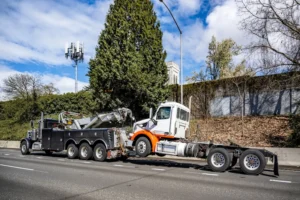
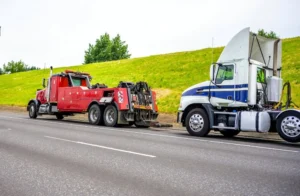
For fleets that need emergency towing recovery after a chemical or fuel spill, Towing and Recovery services help transport damaged or contaminated trucks safely.
Safeguarding Brand Reputation
In today’s regulated environment, trucking companies are judged not only on speed— but also on safety and environmental responsibility. Having the right Hazmat equipment and safety protocols preserves public trust and demonstrates responsible fleet management.
Professional Hazmat Cleanup Services vs. In-House Response
Some trucking companies attempt in-house spill response, but without proper tools, certifications, and disposal access—this approach often leads to bigger fines and long-term damage. Hiring professional Hazmat cleanup specialists provides efficiency, compliance, and safety.
Certified Cleanup Teams and Equipment Access
Professional Hazmat responders use regulated cleanup machinery, vacuum recovery units, decontamination gear, and chemical neutralizers that are not typically available in basic spill kits.
Trucking businesses can rely on full-service cleanup providers like Hazmat Clean-Up for certified remediation, testing, and compliant disposal.
Documentation and Insurance Reporting Support
Expert cleanup companies also handle EPA reporting, incident documentation, and insurance claim support. These reports help speed up claims and prevent legal disputes.
To better select the right service provider, check out How to Choose the Best Hazmat Cleanup Companies in Houston.
On-Site Roadside Assistance
Professional responders often integrate Roadside Service and towing support, ensuring the truck is secured, transported, and cleared safely. This streamlined support prevents further losses and environmental impact.
Roadside Support You Can Count On
No matter the situation, our reliable roadside assistance ensures you get the help you need, fast. From breakdowns to emergencies, we’re here 24/7 to keep you moving.
How to Prepare Your Trucking Fleet for Hazmat Emergencies
Effective preparation means combining proper Hazmat equipment with preventive fleet maintenance, driver training, and emergency response planning.
Train Drivers on Hazmat Readiness
Drivers must be trained to secure the site, prevent contamination, and communicate efficiently in an emergency. They should learn how to properly use PPE, absorbents, and emergency response tools.
The Difference Between Hazmat and Non-Hazmat Cleanup guide helps drivers understand when a spill requires professional Hazmat response.
Maintain Vehicles to Prevent Leaks and Failures
Routine inspections of fuel tanks, valves, brake systems, liners, hoses, and trailer integrity can prevent accidents. Services like Trailer Repairs help keep vehicles sealed and compliant before long hauls.
Maintaining vehicle stability is just as important—Wheel Alignments reduce tanker sway and keep fuel tankers safer on Houston’s highways.
Stock Fleet with Right Hazmat Equipment
Every vehicle should be equipped with absorbent pads, booms, PPE, overpack drums, respirators, and emergency placards. When used properly, these resources reduce spill damage and protect drivers.
For companies looking to acquire affordable gear, Equipment Lease and Sale offers recovery tools, PPE, and containment materials.
Conclusion: Safety Starts with Preparation and the Right Hazmat Equipment
Preparedness is the best protection against chemical and fuel spill emergencies. Hazmat regulations require fleets to carry certified tools, train drivers, and create an emergency response plan. However, beyond compliance, having the right Hazmat equipment ensures faster response, reduced environmental impact, and lower cleanup costs.
Instead of responding reactively, trucking companies should focus on prevention, safety readiness, and professional support. That’s where certified teams, specialized tools, and immediate roadside assistance become essential.
Explore professional support and learn how trusted cleanup experts help protect your fleet at About Us or connect directly via Contact Us.
FAQs – Hazmat Equipment and Safety Protocols
Every fleet vehicle should carry spill containment kits, absorbent pads, chemical-resistant gloves, respirators, emergency placards, fire extinguishers, and disposal bags. These tools help control spills until professional responders arrive.
Yes, OSHA and DOT require PPE such as chemical-resistant suits, goggles, gloves, and respirators for drivers handling hazardous loads to prevent exposure during emergencies and spill cleanup.
mall spills can be contained with basic Hazmat equipment, but large or regulated spills require certified cleanup teams to meet environmental, legal, and insurance requirements.
Hazmat equipment must be inspected before each transport and replaced after expiration, contamination, or use during an incident.
Professional cleanup companies complete documentation, insurance claim support, and regulatory reporting for EPA, DOT, and environmental compliance requirements.