Why Accident Recovery Insurance Matters
Every mile on the road brings opportunity — and risk. For semi truck drivers and fleet operators, accidents can cause not just downtime but heavy financial losses. That’s where accident recovery insurance comes in. This essential coverage helps you manage the high costs of towing, cleanup, and recovery after a crash, ensuring your trucking business stays operational.
In a city like Houston, where heavy truck traffic is constant, quick and safe recovery is crucial. Reliable insurance doesn’t just protect your truck — it safeguards your entire operation. Without it, expenses for towing, hazmat cleanup, or rollover recovery can escalate quickly.
To understand how professional recovery teams make these complex situations safe and efficient, explore our detailed guide on Accident Recovery for Semi Trucks – Fast, Safe & Professional Service in Houston. It explains how expert services and proper insurance go hand-in-hand in minimizing downtime after accidents.
What Is Accident Recovery Insurance?
Accident recovery insurance is a specialized coverage designed for the trucking industry. It reimburses or pays directly for costs associated with recovering, towing, and cleaning up after an accident involving a semi truck or heavy-duty vehicle.
Understanding the Role of Recovery Insurance
Unlike standard truck insurance, which covers vehicle damage or medical expenses, accident recovery insurance focuses on post-crash recovery operations — including winching, cargo transfers, site cleanup, and towing to repair facilities. This insurance bridges the gap between accident response and full operational recovery, helping drivers and fleet managers avoid unexpected out-of-pocket costs.
Many roadside assistance providers partner with insurers to streamline this process. For instance, Sam’s Services’ 24/7 Roadside Assistance team in Houston regularly collaborates with insurers to manage heavy-duty recoveries, reducing stress and paperwork for drivers after an incident.
What Does Accident Recovery Insurance Cover?
The scope of accident recovery insurance varies depending on the provider, but most policies are designed to handle every aspect of post-crash response. These coverages are especially vital for semi truck rollovers, environmental hazards, or complex multi-vehicle collisions.
Common Inclusions in Recovery Insurance
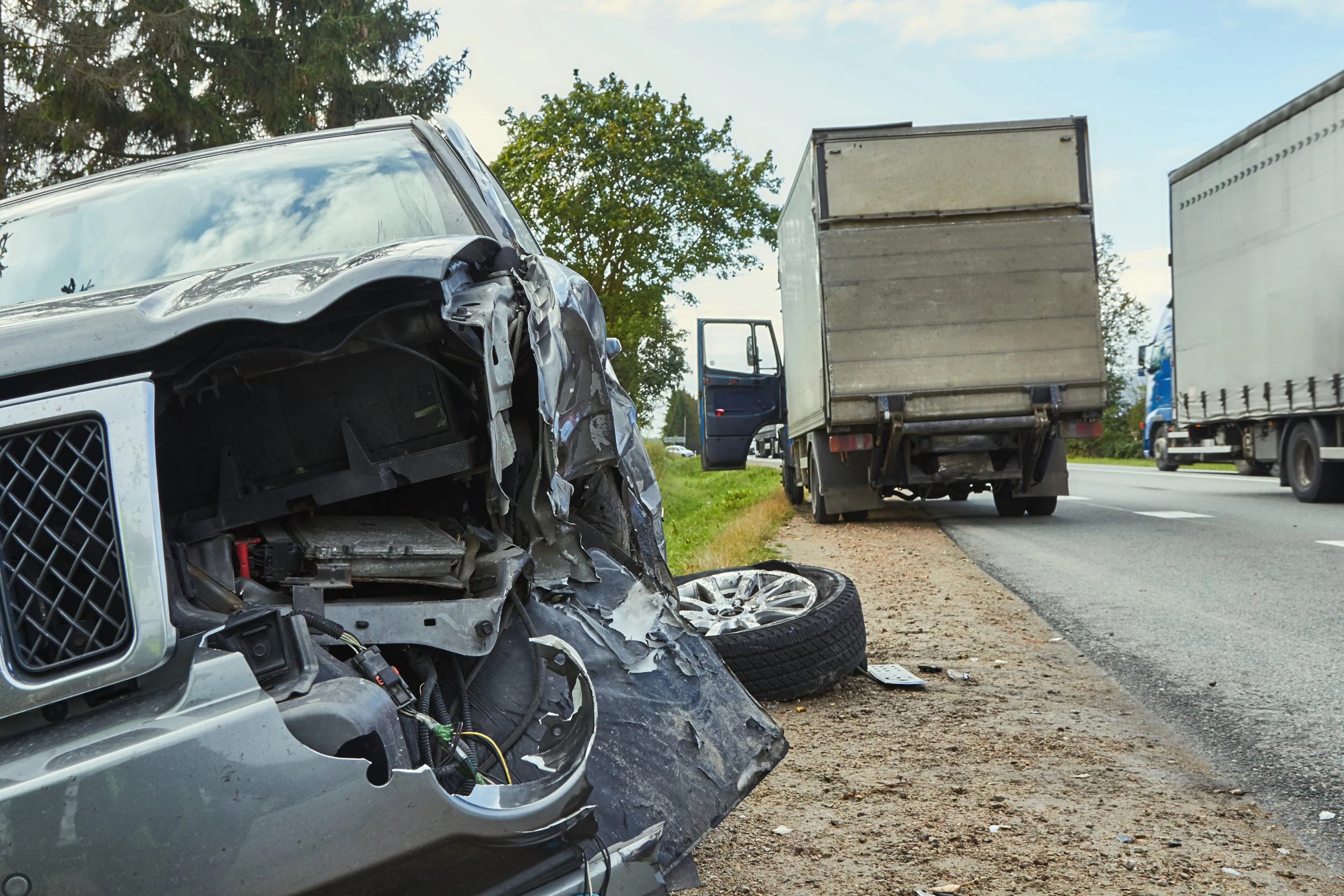
Heavy-Duty Towing: Covers the cost of moving disabled or wrecked semi trucks from the accident site using advanced tow trucks or rotators.
Vehicle Recovery and Rollover Response: Policies often cover costs associated with winching, upright recovery, and repositioning of rolled-over vehicles. Learn how recovery teams handle these incidents in our post on Semi Truck Rollover Recovery – Fast & Safe Heavy-Duty Accident Response.
Accident Scene Cleanup: Includes removal of debris, spilled fuel, and hazardous materials to prevent environmental damage. Our blog on Why Expert Accident Scene Cleanup Matters After a Semi Truck Accident explains why this step is essential.
Cargo Transfer or Salvage: If cargo is damaged or needs to be transferred to another trailer, insurance may cover these costs.
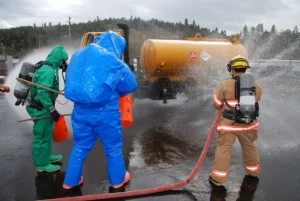
Environmental and Hazmat Response: Cleanup from oil, diesel, or chemical spills is typically part of the policy, especially for carriers transporting hazardous materials.
Added Benefits for Fleet Operators
Fleet-focused plans often include rapid dispatch services, helping minimize downtime and financial loss. Some insurers even integrate digital claim reporting, allowing drivers to upload photos and GPS data instantly for faster reimbursement.
Key Exclusions and Limitations in Coverage
While accident recovery insurance provides essential protection, it’s not all-inclusive. Many truck operators misunderstand what’s covered — which can lead to denied claims or unexpected costs after an accident.
Common Exclusions to Be Aware Of
Driver Negligence: If the driver was under the influence or violated safety regulations, insurance may not apply.
Improperly Secured Loads: Spills or cargo loss caused by negligent loading may not be covered.
Unreported Hazmat Loads: If hazardous materials aren’t declared before transport, hazmat cleanup may be excluded.
Delayed Reporting: Failing to report an accident within the insurer’s timeframe often voids coverage.
Environmental contamination, particularly from chemical or fuel spills, is a major factor in claim denials. Working with a qualified hazmat team like Sam’s Services — which specializes in Hazmat Clean-Up — ensures documentation and cleanup meet EPA and DOT standards, improving your claim’s validity.
Why Understanding Your Policy Matters
Before hitting the road, review your policy carefully. Make sure it includes towing, cleanup, and environmental recovery. This proactive step ensures your operation won’t face unexpected costs in the event of a heavy truck accident.
How to File a Claim After a Semi Truck Accident
Filing a claim for accident recovery insurance can be smooth when done correctly. Insurers prioritize accurate documentation and timely reporting — two things every trucker or fleet manager should master.
Step-by-Step Claim Process
Ensure Safety First: Secure the accident site and call for immediate recovery assistance.
Contact Authorities: File a police report and request official documentation of the incident.
Document Everything: Take detailed photos of the truck, surroundings, and any cargo damage.
Save Recovery Invoices: Keep all receipts from towing, hazmat cleanup, and cargo handling.
Submit Claim Quickly: Send the report and documents to your insurance provider within the specified window.
For detailed guidance on the immediate steps to take, refer to our complete What to Do After a Semi Truck Accident: Step-by-Step Recovery Guide. It explains exactly how to handle the scene and prepare evidence to support a strong claim.
Choosing the Right Accident Recovery Insurance Plan
Selecting the right insurance plan depends on your business size, routes, and cargo type. Owner-operators often need flexible coverage, while large fleets require comprehensive policies that cover multiple drivers and vehicles.
Factors to Consider When Comparing Policies
Coverage Scope: Ensure your plan includes heavy towing, environmental cleanup, and accident recovery services.
Regional Support: In Houston and surrounding areas, choose insurers familiar with local recovery services like Sam’s Services.
Add-On Options: Combine roadside assistance with accident recovery insurance for complete protection.
Many successful trucking businesses pair their insurance with 24/7 professional support from companies offering Roadside Assistance. This ensures that whenever a breakdown or accident occurs, help — and proper documentation — is only a call away.
Estimating the Cost of Accident Recovery Insurance
Understanding the cost of accident recovery insurance helps trucking companies plan their annual budgets effectively. Prices can vary depending on vehicle type, cargo, driving routes, and coverage limits.
Average Premiums for Trucking Fleets
Owner-operators might pay anywhere between $300 to $800 per year, while larger fleets with multiple units can expect to pay $2,000 to $5,000 annually, depending on coverage. Policies that include hazmat cleanup, rollover recovery, and cargo transfer tend to cost more but offer comprehensive protection.
Insurance companies also assess your accident history and safety record before setting premiums. Fleets with fewer accidents and regular maintenance schedules—such as wheel alignments and trailer repairs—can often negotiate lower rates. You can explore these related maintenance solutions on Sam’s Services’ Wheel Alignments and Trailer Repairs pages.
What Impacts Insurance Cost
Vehicle Weight & Cargo Type: Heavier loads and hazardous materials mean higher premiums.
Route Risk Factors: Frequent interstate or high-traffic routes may increase costs.
Recovery Complexity: Trucks that operate in off-road or construction zones often require more complex recovery coverage.
Properly maintained trucks and trained drivers are key to reducing both accident risks and insurance costs.
How Professional Recovery Teams Work With Insurers
One of the biggest advantages of having accident recovery insurance is seamless coordination between recovery teams and insurers. When a heavy truck accident occurs, these professionals handle the situation from on-site recovery to final claim documentation.
Step-by-Step Coordination
When Sam’s Services arrives at the accident scene, the team immediately begins documentation—taking photos, assessing fluid spills, and recording recovery details. This information is then shared directly with insurance adjusters, saving drivers from extensive paperwork.
Professional recovery experts also ensure that all cleanup and towing procedures comply with EPA and DOT regulations, minimizing disputes or claim denials. To see how specialized equipment supports this process, read our post on Top Accident Recovery Equipment Used in Heavy-Duty Truck Rescues.
By working with experienced professionals who understand insurance documentation, drivers can avoid costly delays in reimbursement and ensure faster financial recovery after an accident.
The Role of Sam’s Services in Insurance-Backed Accident Recovery
Sam’s Services has become a trusted name in Houston’s accident recovery industry, known for its rapid response and insurer coordination. With a 24/7 team skilled in heavy truck towing, hazmat cleanup, and environmental response, Sam’s Services helps reduce both downtime and paperwork for truck drivers.
Comprehensive Post-Accident Support
When an accident occurs, Sam’s Services dispatches a fully equipped team with rotators, cranes, and spill containment gear. From site cleanup to vehicle recovery, every step is handled in compliance with insurance and environmental requirements. Their close cooperation with insurers ensures transparent billing and smooth claims.
Fleet operators can also access specialized services such as towing and recovery, available through Sam’s Towing and Recovery page. For companies looking to upgrade or replace damaged rigs, the Equipment Lease and Sale option helps get fleets back on the road quickly.
This complete ecosystem of support—from response to recovery—makes Sam’s Services an ideal partner for insurance-backed trucking operations in the Houston area.
Roadside Support You Can Count On
No matter the situation, our reliable roadside assistance ensures you get the help you need, fast. From breakdowns to emergencies, we’re here 24/7 to keep you moving.
Common Mistakes Truck Drivers Make With Recovery Insurance
Even with the right accident recovery insurance, many drivers lose out on reimbursement due to small but costly mistakes. Avoiding these errors ensures smoother claim approval and faster payouts.
Frequent Mistakes to Avoid
Not Reporting Accidents Immediately: Late reporting often leads to partial or full denial of claims.
Poor Documentation: Missing photos or incomplete recovery reports weaken your claim.
Ignoring Environmental Impact: Not using certified hazmat responders can violate EPA rules and void coverage.
Choosing Non-Certified Tow Operators: Unqualified recovery teams may not meet insurance standards.
Truckers can prevent these issues by working only with certified professionals who follow industry best practices. Sam’s Services’ guide, Heavy Truck Accident Response: How Professionals Ensure Safe and Efficient Recovery, explains exactly how experts manage these situations to meet both safety and insurance compliance.
Conclusion – Protect Your Fleet with Smart Coverage
In the trucking industry, accident recovery insurance isn’t just an expense — it’s a safety net. It shields drivers, fleets, and cargo from the financial strain of heavy-duty recoveries, environmental cleanup, and towing operations.
Partnering with professionals who understand the insurance process, like Sam’s Services, ensures every recovery is handled safely, efficiently, and in full compliance with insurer expectations.
Whether you’re managing a single rig or an entire fleet, having the right coverage — and the right recovery partner — is key to staying protected on the road.
For prompt, professional help or policy coordination, connect with Sam’s Services today through the Contact Us or Request Service pages.
FAQs – Accident Recovery Insurance for Semi Trucks
It covers towing, recovery, and accident scene cleanup, including hazmat response and debris removal. Some plans also include cargo handling and site restoration costs.
It’s not legally mandatory, but highly recommended for all semi truck operators. Without it, recovery and cleanup expenses can quickly exceed thousands of dollars after a heavy truck accident.
Yes—if you’ve disclosed hazardous cargo in your policy. Partnering with certified responders like Sam’s Services’ Hazmat Clean-Up team ensures compliance and full coverage eligibility.
Compare policies based on your routes, cargo type, and frequency of operations. Fleet operators in the Houston area benefit from insurers that partner with reliable recovery providers such as Sam’s Services.