When it comes to heavy-duty trucking, skipping a proper pre-trip inspection isn’t just a bad habit — it’s a dangerous one. Whether you’re an independent owner-operator or part of a large fleet, safety and compliance depend on identifying small issues before they turn into roadside emergencies.
At Sam’s Services in Houston, we’ve seen firsthand how preventable breakdowns could have been avoided with a few extra minutes of inspection. Let’s dive into why pre-trip inspections matter, what to look for, and the consequences of ignoring them.
What Is a Pre-Trip Inspection?
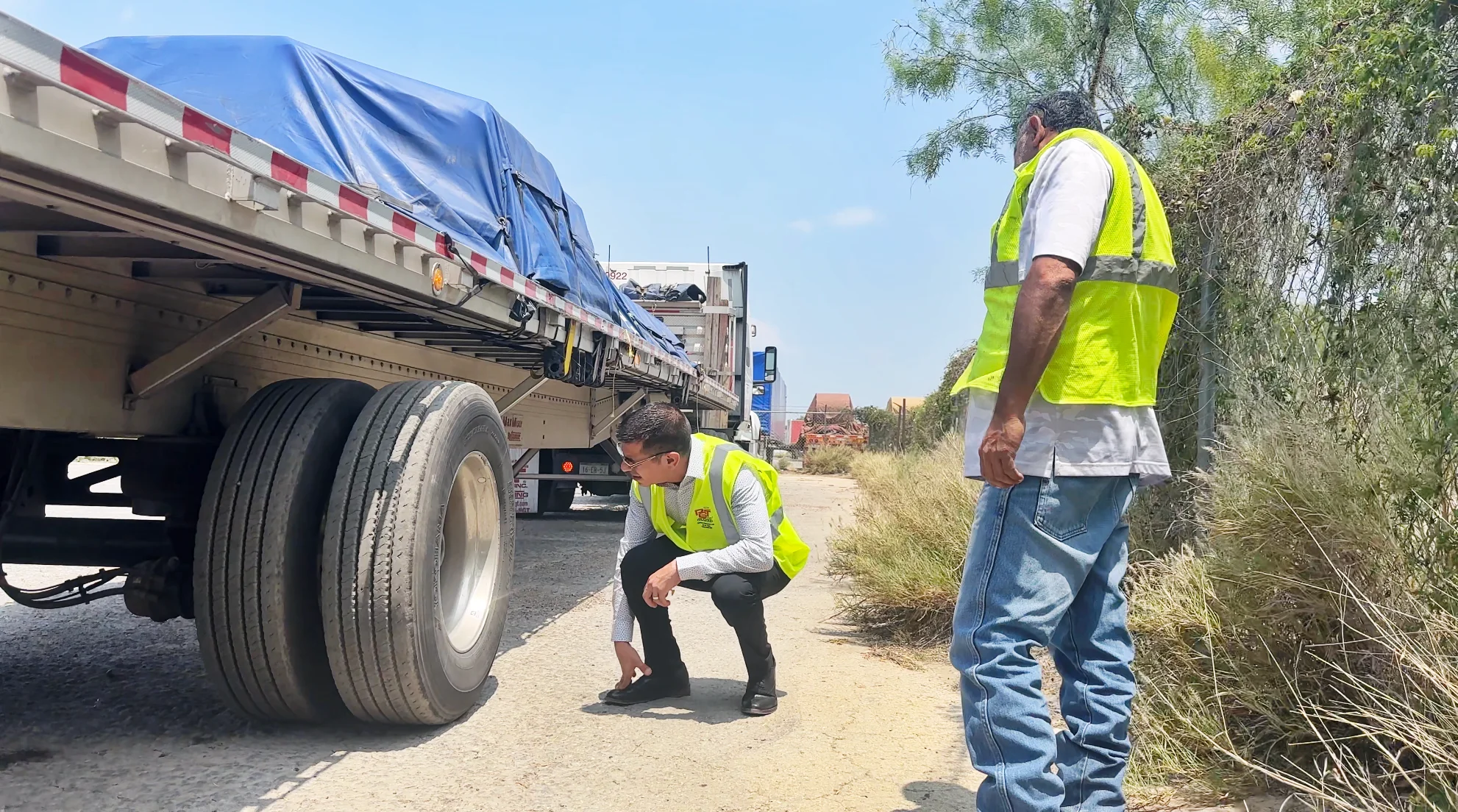
A pre-trip inspection for trucks is a mandatory safety check required by the DOT before every trip. It ensures that key systems — from brakes and suspension to tires and lights — are working properly. Not only does this keep your truck compliant, but it also prevents roadside assistance emergencies and protects both drivers and cargo.
According to FMCSA regulations, every commercial vehicle must be inspected daily, with proper records maintained. Skipping this step could lead to violations, fines, and unsafe operation tickets.
A Real-World Example: The Broken U-Bolt
Recently, one of our roadside calls in Houston highlighted exactly why pre-trip inspections are critical. A truck had suffered a broken U-bolt on the suspension.
U-bolts are designed to clamp the axle securely to the leaf spring pack. When one breaks, that connection weakens drastically. Left unchecked, the entire spring can shift or fall out, potentially causing the axle to move or detach under load. That’s a recipe for catastrophic failure.
A quick glance underneath the truck during a pre-trip could have spotted this issue and saved the driver thousands in repairs — not to mention preventing a potential accident.
What Happens If You Skip Pre-Trip Inspections?
Missing a pre-trip inspection can lead to severe consequences, such as:
Axle shift or separation that endangers vehicle stability
Complete loss of vehicle control on highways
Damage to drive shaft, brake lines, or frame that leads to costly repairs
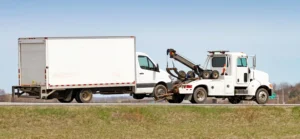
Roadside breakdowns requiring towing and recovery (Towing and Recovery Service)
DOT violations, fines, and downtime affecting productivity
At Sam’s Roadside Assistance in Houston, we see preventable damage like this far too often. A missed pre-trip inspection can turn into a call for emergency truck repair or even heavy-duty semi-truck towing.
Key Components to Check During a Pre-Trip Inspection
1. Suspension System
Inspect U-bolts, spring hangers, brackets, and shocks. Any cracks, breaks, or loose parts could compromise the truck’s stability.
2. Tires and Wheels
Check for proper inflation, tread wear, and signs of damage. Uneven wear could indicate the need for a wheel alignment.
3. Braking System
Verify air brakes, lines, and connections are free from leaks or wear. A failing brake system is one of the leading causes of emergency roadside calls.
4. Lights and Electrical
Confirm that headlights, tail lights, and indicators are all functional. Faulty lighting is a common violation in DOT roadside inspections.
5. Fluids and Leaks
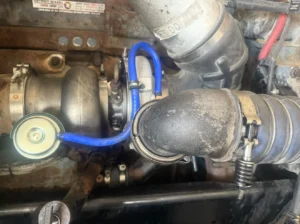
Check coolant, oil, power steering, and DEF fluid levels. A hidden leak can cause engine overheating or DEF system derate (Emergency DEF Pump Replacement).
6. Trailer Components
Inspect trailer axles, springs, and tarps. Issues like trailer tarp failures or leaf spring breakdowns (Trailer Leaf Spring Repair) are often caught during pre-trips.
Benefits of Regular Pre-Trip Inspections
Safety First – Protects drivers, cargo, and other motorists.
DOT Compliance – Reduces the risk of violations and fines.
Lower Repair Costs – Fixing minor issues early prevents major breakdowns.
Less Downtime – Keeps trucks moving and schedules on track.
Peace of Mind – Drivers feel more confident on long hauls.
Houston Drivers: Don’t Skip Your Pre-Trip
If you’re operating in Houston, you know how critical reliability is on long routes. Skipping your pre-trip inspection not only risks your truck’s performance but also your livelihood.
At Sam’s Services, we provide:
Hazmat Clean-Up in case of spills
Cross-Docking for damaged loads
Whether it’s a roadside breakdown, towing need, or routine trailer repair, our Houston-based team is available 24/7.
Roadside Support You Can Count On
No matter the situation, our reliable roadside assistance ensures you get the help you need, fast. From breakdowns to emergencies, we’re here 24/7 to keep you moving.
Why Choose Sam’s Services for Roadside Assistance in Houston?
When your truck is down, you don’t just need help — you need the right help, fast. At Sam’s Services, we’ve built our reputation on delivering reliable, 24/7 roadside assistance and repair solutions across Houston. Here’s why drivers and fleets trust us:
24/7 Availability – Breakdowns don’t wait for business hours, and neither do we.
Experienced Technicians – Our skilled team can handle everything from trailer repairs to mobile truck repair.
Comprehensive Services – From towing and recovery to hazmat clean-up, we’ve got you covered.
Fast Response Times – We know every minute of downtime costs money, so we work quickly to get you back on the road.
Trusted by Houston Drivers – Local owner-operators and major fleets alike rely on us for dependable roadside support.
With Sam’s Services, you’re not just calling for help — you’re calling a partner who puts safety, efficiency, and customer care first.
FAQs – About Pre-trip Inspection
A pre-trip inspection covers the truck’s major systems such as brakes, tires, suspension, fluids, lights, and trailer components. The goal is to identify safety risks and mechanical issues before hitting the road.
Pre-trip inspections are critical in Houston due to heavy freight traffic, hot weather, and long-haul routes. They help prevent costly roadside breakdowns and ensure compliance with DOT safety regulations.
Yes, skipping a pre-trip inspection can result in DOT violations, fines, and possible out-of-service orders. In addition, it puts drivers at higher risk of accidents and unexpected downtime.
Truck drivers should perform a pre-trip inspection before every trip, no matter how short or long. Regular inspections build safer habits, reduce repair costs, and increase confidence on the road.