Why Environmental Cleanup Services Matter After a Truck Accident
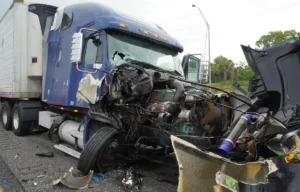
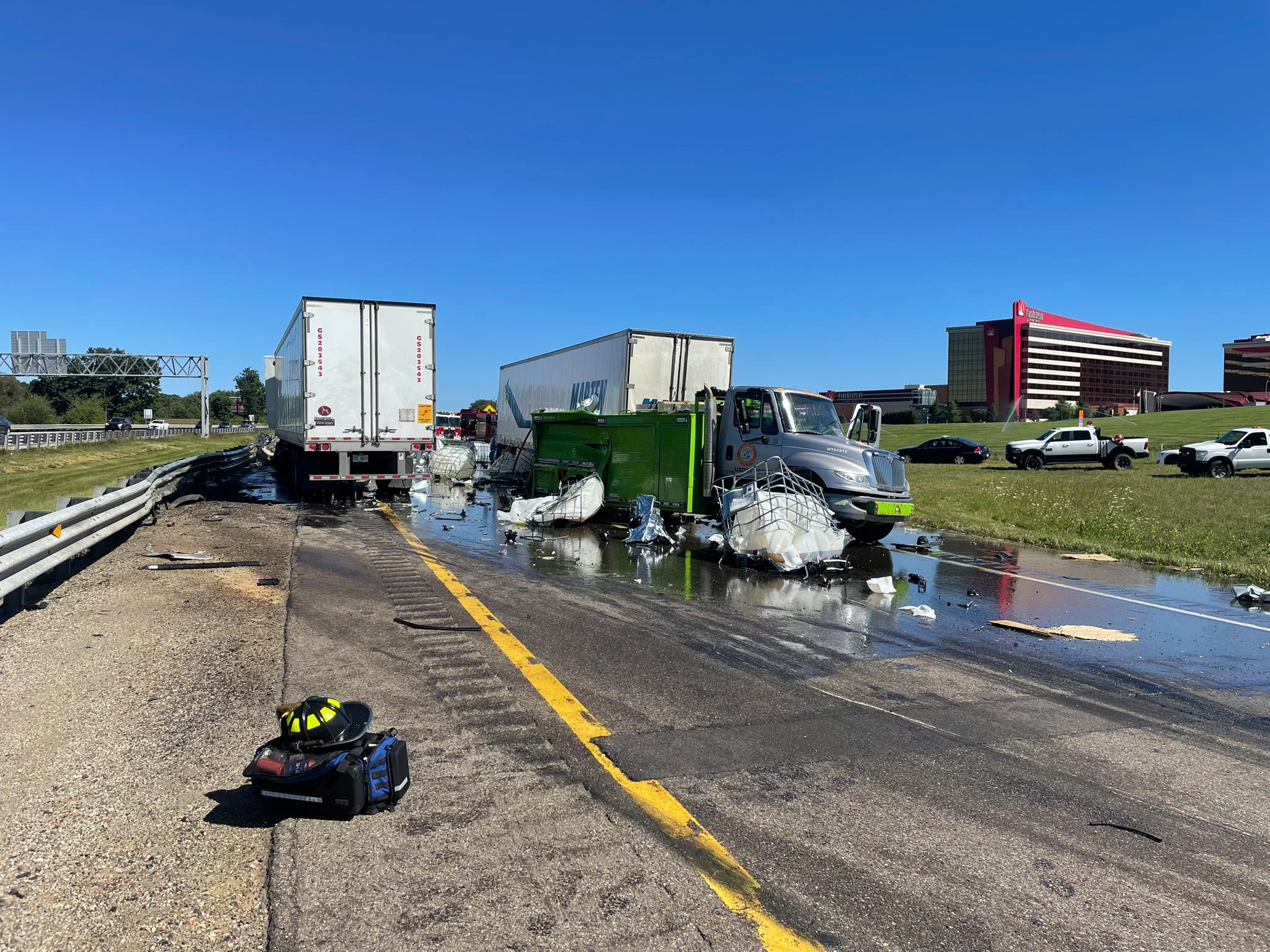
When a semi truck is involved in a crash, the damage doesn’t stop at bent metal and broken parts. Fuel, oil, coolant, and even hazardous cargo can spill onto the road and surrounding land. That’s where environmental cleanup services become critical. They don’t just “clean up a mess” — they protect people, highways, and the environment from serious harm.
In a busy freight hub like Houston, a truck accident on I-10, I-45, or the Beltway can quickly turn into an environmental risk if spills are not contained quickly. Professional cleanup teams move fast to contain leaks, remove contaminated soil, and restore the scene so traffic can safely resume.
Cleanup is also a key part of the wider accident recovery process. In fact, our main guide on Accident Recovery for Semi Trucks – Fast, Safe & Professional Service in Houston explains how recovery, towing, and environmental response all work together to keep drivers, fleets, and the public protected after a major truck accident.
What Are Environmental Cleanup Services?
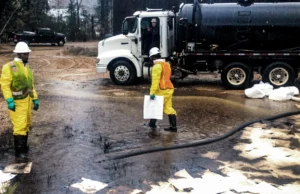
Environmental cleanup services are specialized response operations that deal with spills, leaks, and contamination after a truck accident. Instead of just towing the vehicle away, trained teams focus on protecting soil, water, air, and nearby communities from harmful substances released during a crash.
What Environmental Cleanup Really Includes
At a truck accident scene, environmental cleanup may involve:
Containing and absorbing spilled diesel, oil, or hydraulic fluid
Recovering chemicals or hazardous materials from damaged tanks or containers
Removing and disposing of contaminated soil, gravel, or roadway debris
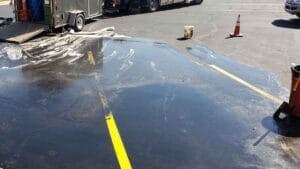
Washing and neutralizing road surfaces so they’re safe for traffic again
These services are especially important when a crash involves hazardous freight, tankers, or severe damage that ruptures fuel systems. Cleanup is coordinated with accident recovery and towing crews so the whole process stays safe and efficient.
If you’d like to understand how cleanup fits into the broader picture of site restoration and safety, our blog on Why Expert Accident Scene Cleanup Matters After a Semi Truck Accident walks through the bigger risks of leaving a scene to amateurs or incomplete cleanup.
Types of Spills That Require Professional Cleanup
Not every small drip on the pavement needs a full hazmat response — but many truck accident situations do. When in doubt, fleets should always err on the side of caution and call in professional environmental cleanup services.
Fuel & Oil Spills
Diesel, gasoline, and engine oil are the most common spills after a truck accident. Even a “simple” fuel spill can:
Create immediate fire hazards
Make the road dangerously slick
Soak into soil or drainage systems
Professional responders use absorbent pads, booms, and vacuum systems to remove fuel and oil before they spread. This is far beyond what a driver can safely handle alone on the roadside.
Hazardous Chemical Releases
Tanker trucks or trailers carrying chemicals, industrial products, or other regulated materials pose a much higher risk. If containers rupture during a crash, the release can be toxic, corrosive, or flammable.
In these cases, only certified hazmat teams should approach the spill. At Sam’s Services, our hazmat specialists provide compliant response through our dedicated Hazmat Clean-Up service, using protective suits, neutralizing agents, and specialized tools to safely contain and remove hazardous materials.
Cargo Contamination & Waste Disposal
Sometimes the cargo itself becomes part of the environmental problem. Food products, chemicals, powders, and liquids can all contaminate ditches, soil, or storm drains when scattered in a crash.
Environmental cleanup services ensure this material is collected, separated, and disposed of properly — following strict rules for waste handling and transportation so fleets aren’t exposed to regulatory penalties later.
The Environmental Risks of Untreated Spills
Ignoring a spill after a truck accident, or trying to “just throw some dirt on it,” can have serious long-term consequences. The damage isn’t always obvious right away, but it can show up later as contaminated ditches, dead vegetation, or polluted waterways.
Soil Contamination
Fuel and chemicals that seep into soil can:
Kill plants and ground cover
Damage property along the roadside
Require expensive remediation later
Professional cleanup teams remove contaminated soil and replace it with clean material, preventing long-lasting damage.
Water Pollution
If a spill reaches storm drains, culverts, or nearby streams, the impact becomes much larger. Contaminants can travel far from the accident site and affect drinking water sources or aquatic life.
That’s why environmental cleanup services focus on stopping spills before they reach drains or channels — using booms, dikes, and fast response techniques that are standard practice in our heavy-duty accident work.
Fire Hazards & Explosion Risks
Fuel and vapors present another major danger: fire. A single spark from traffic, a hot surface, or static can ignite vapors lingering around a wrecked truck. Professional crews monitor ignition sources and remove flammable materials quickly to reduce this risk.
EPA & DOT Regulatory Penalties
Beyond physical damage, there’s the regulatory side. The EPA and DOT can impose fines when spills aren’t handled correctly, or when companies fail to document cleanup efforts.
In complex incidents such as rollovers, like those we describe in Semi Truck Rollover Recovery – Fast & Safe Heavy-Duty Accident Response, cleanup is planned alongside recovery so that both safety and compliance are fully addressed in one coordinated operation.
Step-by-Step Environmental Cleanup Process After a Truck Accident
Professional environmental cleanup services follow a structured process to keep people safe, protect the environment, and meet all legal requirements.
Step 1: Emergency Response & Scene Assessment
The first team on scene identifies:
The type of materials spilled
The extent of the spread
Immediate risks (fire, vapors, runoff, traffic)
They work in coordination with fire, police, and recovery crews to secure the area and create a safe working zone.
Step 2: Containment Using Booms, Pads & Barriers
Before a spill spreads, responders deploy:
Absorbent booms along the edges of the spill
Pads and socks around drains and ditches
Temporary earthen or plastic barriers where needed
This stops the contamination from traveling and buys time for deeper cleanup.
Step 3: Hazardous Material Removal & Vacuum Truck Extraction
Next, the team removes as much of the spilled material as possible. This often involves:
Vacuum trucks to suck up pooled fuel or liquids
Manual removal of contaminated debris
Pumping or draining damaged tanks under controlled conditions
Step 4: Soil Remediation & Surface Cleaning
After the bulk material is removed, crews:
Excavate and replace contaminated soil or gravel
Pressure wash and treat the road surface
Apply neutralizing agents when required
This step restores the site to a safe condition for traffic and the environment.
Step 5: Final Disposal & Compliance Reporting
Finally, all waste is transported to approved facilities, and detailed reports are prepared for insurers and regulators.
Many of the tools used in this process — like vacuum units, absorbent systems, and support machinery — are the same advanced tools described in Top Accident Recovery Equipment Used in Heavy-Duty Truck Rescues, where we break down exactly how professional gear makes truck accident recovery safer and more efficient.
Key Equipment Used in Environmental Cleanup Services
High-quality environmental cleanup services depend on the right equipment. Heavy-duty spills can’t be managed with just shovels and kitty litter — they require purpose-built tools that handle large volumes safely.
Vacuum Trucks
Vacuum trucks are the workhorses of liquid spill response. They can quickly remove:
Pooled diesel and gasoline
Contaminated water from ditches
Mixed liquids from damaged tanks
These trucks are essential for minimizing how long hazardous liquids remain in the environment.
Absorbent Socks, Pads & Booms
Absorbent products act like a barrier and sponge at the same time. Crews lay them out:
Around the perimeter of spills
Across drainage paths
In front of storm drains and culverts
They help stop the spread while other equipment handles bulk removal.
Hazmat Suits & Containment Tools
When dealing with hazardous or unknown materials, crews wear full protective gear and use sealed tools and containers to handle waste. This keeps both workers and the public safe while meeting hazmat standards.
Hydroblasting & Surface Cleaning Systems
For stubborn residues on asphalt or concrete, high-pressure washing and hydroblasting equipment are used to fully clean the surface. This is especially important on busy Houston highways where leftover slick spots could cause more crashes.
All of this cleanup work is often coordinated with heavy-duty recovery and towing operations. At Sam’s Services, our Towing and Recovery team works hand-in-hand with environmental crews so the vehicle, cargo, and contamination are all handled in a single, efficient operation — reducing downtime for fleets and keeping roads safer for everyone.
Compliance Standards: EPA, DOT & Houston Regulations
Environmental cleanup after a truck accident must follow strict federal and local guidelines. These standards ensure the cleanup protects the environment, supports public safety, and qualifies for insurance reimbursement.
Documentation for Insurance
Accurate documentation is essential for insurance claims involving spill cleanup. Professional teams provide detailed reports, site assessments, photos, waste profiles, and disposal receipts. This documentation helps insurers determine coverage and liability quickly. For fleets reviewing their policy obligations, the guide Understanding Accident Recovery Insurance for Semi Trucks – A Complete Guide offers insights into how insurers evaluate spill-related damages.
Required Environmental Safety Protocols
Cleanup technicians follow EPA (Environmental Protection Agency) and DOT (Department of Transportation) requirements, including:
Proper use of absorbents and spill-control materials
Correct labeling and transport of hazardous waste
Compliance with Houston-area environmental response mandates
Following these protocols ensures the site is restored safely and prevents long-term environmental impact.
Chain of Custody for Contaminated Materials
Every contaminated material — soil, fuel, debris, and absorbents — must be tracked from the accident site to its final disposal location. Professional cleanup teams maintain a formal chain of custody, ensuring all waste is properly recorded, sealed, transported, and disposed of at licensed facilities.
The Role of Heavy-Duty Recovery Teams in Spill Management
Environmental cleanup crews do not work alone. They collaborate closely with heavy-duty towing and recovery teams to secure the accident site, remove damaged trucks, and prevent additional contamination.
Why Recovery Crews Work Together with Cleanup Teams
A spill cannot be safely cleaned until the accident scene is stabilized. Heavy-duty operators lift overturned trucks, secure damaged tankers, and move debris so cleanup technicians can access the contaminated areas. This teamwork minimizes road closures and speeds up environmental restoration. A deeper look into this cooperation is explained in Heavy Truck Accident Response – How Professionals Ensure Safe and Efficient Recovery , where both spill control and recovery operations are tightly coordinated.
Why Sam’s Services Is Houston’s Leader in Environmental Cleanup
Houston fleets trust Sam’s Services because of their unmatched experience, rapid response, and advanced cleanup capabilities. When environmental safety is on the line, expertise matters.
Certified Hazmat Cleanup Team
Sam’s Services employs certified hazmat professionals trained to handle fuel spills, chemical leaks, and contaminated soil remediation. Their certification ensures full compliance with federal and state environmental standards.
24/7 Rapid Spill Response
Truck accidents can happen anytime, which is why Sam’s Services maintains a round-the-clock response team. Their Roadside Service team works alongside cleanup technicians to secure the area and contain spills immediately.
Advanced Tools for Fuel & Chemical Cleanup
From vacuum recovery trucks to high-capacity absorbent systems, Sam’s Services uses modern equipment to clean spills quickly and effectively. When a trailer is damaged beyond repair, fleets can utilize solutions from Equipment Lease and Sale to keep operations running.
Trusted by Fleets Across Houston
With years of service in the Houston trucking community, Sam’s Services is known for dependable support, transparent documentation, and fast, compliant cleanup. Their long-standing reputation is detailed on the About Us page, where safety and professionalism are core values.
How Environmental Cleanup Services Protect Trucking Companies
Fast and professional cleanup does more than restore the accident scene — it protects your business, your drivers, and your reputation.
Prevent Costly Fines and Liability
Regulatory agencies issue heavy penalties for delayed or improper spill cleanup. Professional services ensure compliance with EPA, DOT, and Houston environmental rules, reducing financial risk.
Reduce Downtime After Accidents
Spills can shut down lanes for hours. Expert cleanup crews work alongside towing teams to restore the roadway quickly, minimizing operational delays. This efficient recovery approach aligns with the strategies described in Top-Rated Accident Recovery Services in Houston for Semi Trucks.
Ensure Safe Roadways and Business Continuity
Clean, restored roadways prevent secondary accidents and protect the public. Professional cleanup ensures your fleet gets back to business without long-term disruption.
Roadside Support You Can Count On
No matter the situation, our reliable roadside assistance ensures you get the help you need, fast. From breakdowns to emergencies, we’re here 24/7 to keep you moving.
How to Prevent Environmental Spills During Trucking Operations
Preventing spills is just as important as responding to them. By implementing strong safety habits, trucking companies can reduce the risk of environmental damage.
Regular Maintenance & Leak Checks
Routine inspections help catch fuel line leaks, loose fittings, or damaged tanks before they become hazards. Preventive maintenance is a key factor in keeping engines, tires, and tanks in safe working condition.
Proper Cargo Securement
Improperly secured cargo can shift during travel, causing trailer damage or chemical leaks during an accident. Drivers should follow securement protocols for hazardous materials, liquid loads, and bulk cargo.
Driver Safety Training for Spill Prevention
Well-trained drivers can prevent many spill-related accidents by recognizing early warning signs, using proper braking techniques, and maintaining defensive driving habits. When selecting safety partners, many fleets look for companies that match the reliability described in Top 5 Qualities of the Best Roadside Assistance Company for Semi Trucks.
Conclusion – Protect Roads, Drivers & the Environment with Professional Cleanup
Truck accidents happen without warning, but the environmental impact can be minimized with fast and professional cleanup. Reliable environmental cleanup services protect the community, reduce business liability, and help fleets return to operation quickly. Whether you’re dealing with a fuel spill, a chemical leak, or a major highway accident, expert support is essential.
For immediate help or to request an emergency response, visit
Contact Us or submit a service request through Request Service anytime.
FAQs – Environmental Cleanup Services for Truck Accidents
Cleanup may include fuel spill containment, soil remediation, water protection, debris removal, hazmat handling, documentation, and full site restoration.
Most professional cleanup teams offer 24/7 emergency response. Sam’s Services typically dispatches a certified team rapidly to minimize environmental damage.
Many commercial truck insurance policies include spill cleanup coverage, depending on cargo type and liability terms. Proper documentation helps ensure claims are approved.
Vacuum recovery trucks, booms, absorbents, hazmat suits, dikes, neutralizers, and soil-remediation tools are commonly used.
Yes. Their certified hazmat team is trained to manage chemical spills, fuel leaks, and accidental hazardous material releases safely and legally.